Introduction
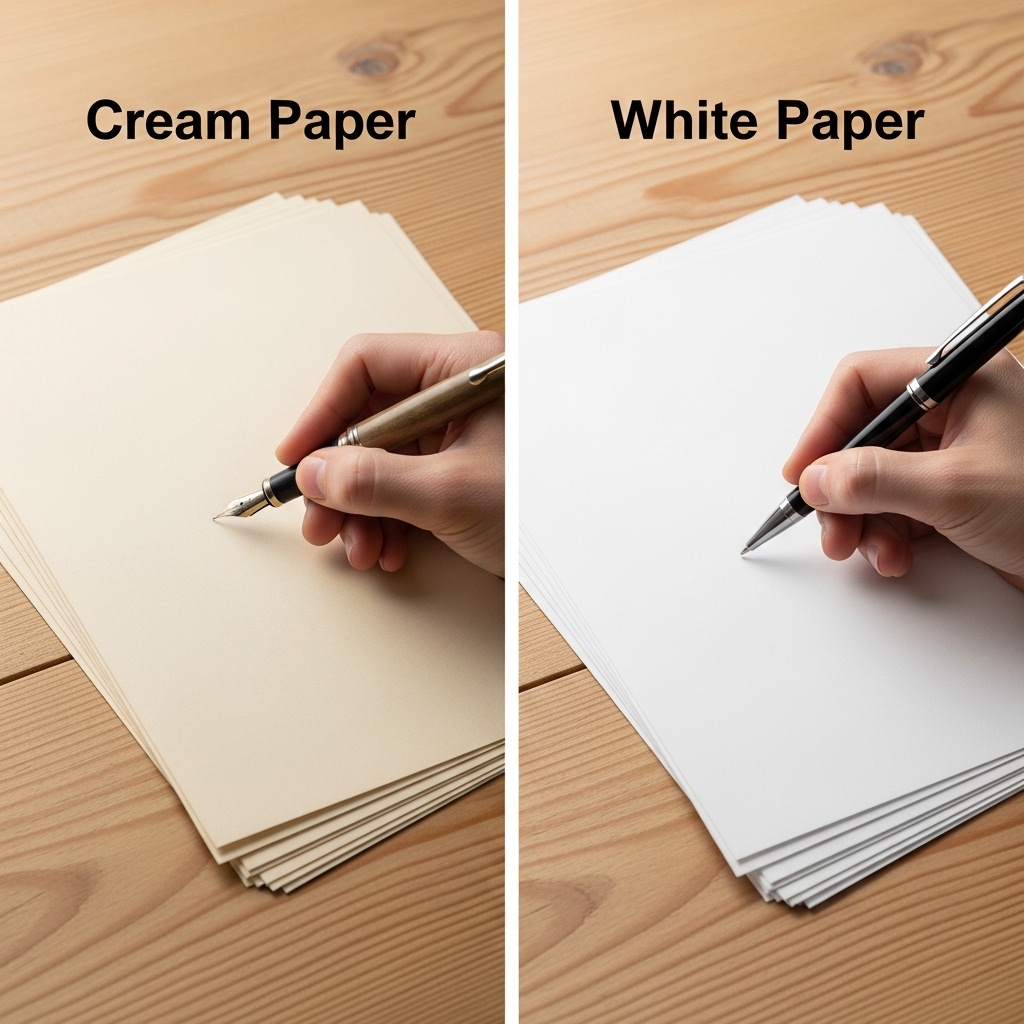
Choosing between cream paper vs white paper may seem simple, but the decision can significantly affect readability, eye comfort, printing quality, and overall appearance. From books and notebooks to resumes and invitations, the right paper color makes a noticeable difference.
In this guide, we’ll break down the key differences, advantages, and best use cases so you can confidently choose the right paper for your needs.
What Is Cream Paper?

Cream paper has a soft, warm, off-white tone that reduces glare and is gentle on the eyes. It’s commonly used in books, novels, journals, and premium stationery.
Key Features of Cream Paper
- Warm, slightly yellowish tone
- Easy on the eyes for long reading
- Gives a classic, elegant look
- Reduces glare under bright light
What Is White Paper?

White paper has a bright, clean appearance and is widely used for printing, office work, and official documents. It enhances contrast and makes text and images appear sharper.
Key Features of White Paper
- Bright, high-contrast surface
- Ideal for printing text and images
- Professional and modern look
- Commonly available and affordable
Cream Paper vs White Paper: Key Differences
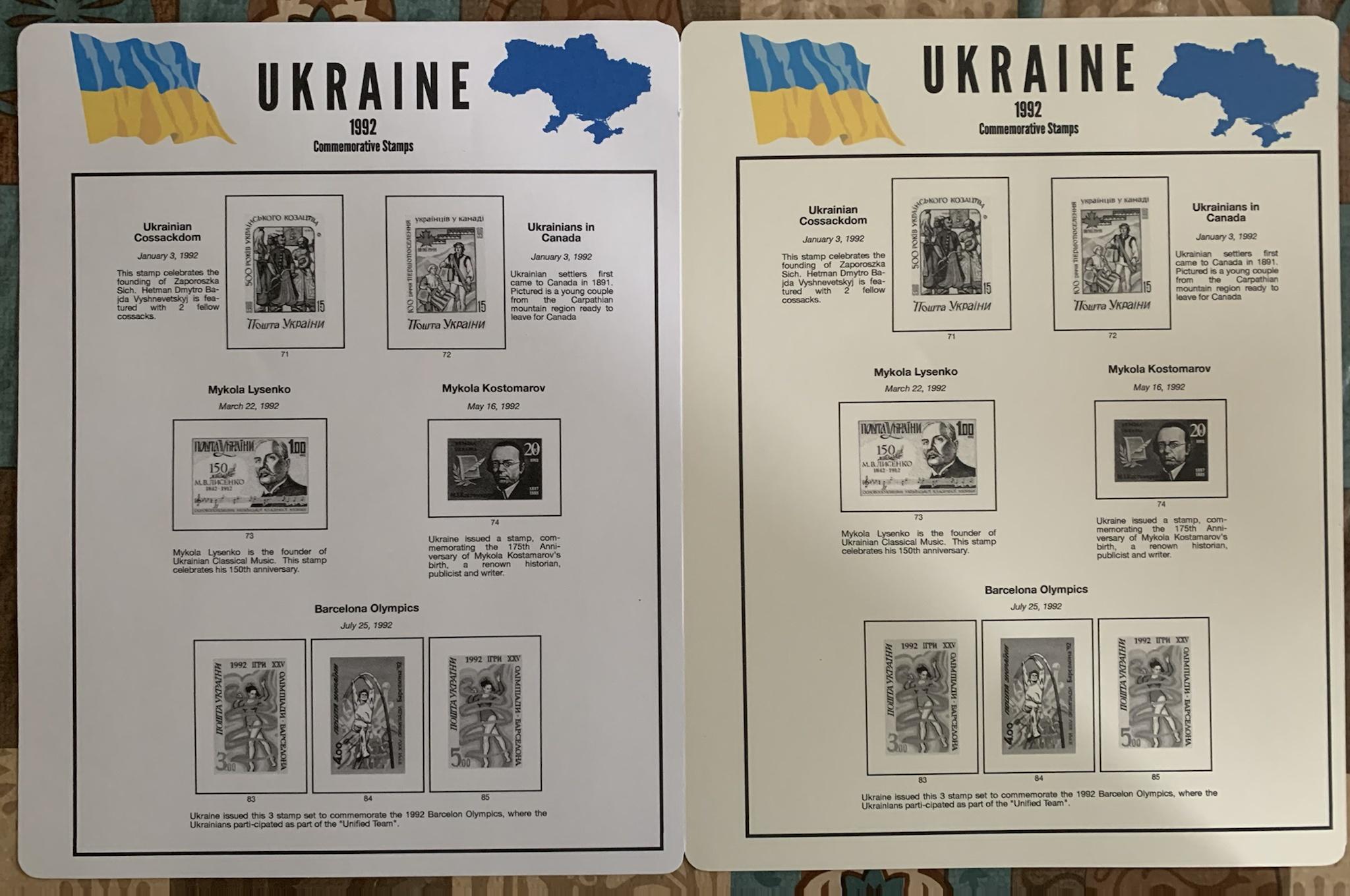
| Feature | Cream Paper | White Paper |
|---|---|---|
| Color Tone | Warm, off-white | Bright white |
| Eye Comfort | More comfortable for long reading | Can cause eye strain under strong light |
| Readability | Softer contrast | Sharper contrast |
| Printing Quality | Best for text | Best for images and graphics |
| Appearance | Elegant, classic | Clean, professional |
| Common Uses | Books, journals, invitations | Office docs, resumes, flyers |
Which Paper Is Better for Reading?
For reading-intensive materials like books, novels, and study notes, cream paper is often preferred. Its softer tone reduces eye fatigue, especially during long reading sessions or under artificial lighting.
Winner for reading: ✔ Cream paper
Which Paper Is Better for Printing?
White paper offers better contrast, making it ideal for:
- Office printing
- Reports and presentations
- Marketing materials
- Certificates and resumes
Images and charts appear more vibrant and sharp on white paper.
Winner for printing: ✔ White paper
Cream Paper vs White Paper for Writing
If you do a lot of handwriting, cream paper provides a smoother and more pleasant experience. Ink appears less harsh, and the page feels more comfortable to look at for extended periods.
White paper works well for quick notes and formal writing, especially when clarity is the priority.
Which Paper Looks More Premium?
Cream paper often feels more premium and sophisticated, especially for:
- Wedding invitations
- Journals
- Books
- Artistic or handwritten content
White paper, on the other hand, looks modern and professional, which suits corporate and official documents.
When to Choose Cream Paper
Choose cream paper if you need:
- Long-form reading comfort
- Elegant or vintage aesthetics
- Journals, books, or invitations
- Reduced eye strain
When to Choose White Paper
Choose white paper if you need:
- Sharp printing quality
- Professional or office documents
- High contrast for visuals
- Everyday printing needs
Common Mistakes to Avoid
- Using white paper for long reading-heavy content
- Using cream paper for image-heavy printing
- Ignoring lighting conditions
- Choosing paper color without considering purpose
FAQs – Cream Paper vs White Paper
Which paper is better for books, cream or white?
Cream paper is better for books because it’s easier on the eyes and reduces glare during long reading sessions.
Is white paper better for printing?
Yes. White paper provides better contrast, making text and images appear sharper and clearer.
Does cream paper look unprofessional?
No. Cream paper looks elegant and premium, but it’s better suited for creative or reading-focused uses rather than formal office documents.
Which paper is better for studying?
Cream paper is generally better for studying due to improved eye comfort during long hours of reading and note-taking.
Final Verdict
The choice between cream paper vs white paper depends entirely on how you plan to use it.
- For reading, writing, and elegance → choose cream paper
- For printing, clarity, and professionalism → choose white paper
Choosing the right paper improves both comfort and presentation, making your content more effective.