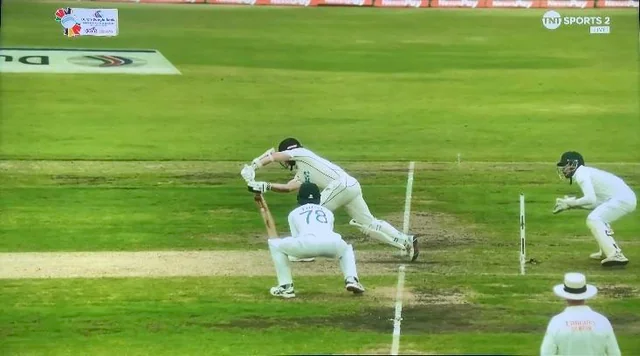
How many creases are there in cricket?: Ever watched a cricket match and wondered about those white lines on the pitch? They look simple, but they decide if a batsman is out or safe. New fans often mix them up, asking how many creases are there in cricket.
This guide breaks it down. We’ll look at the standard cricket pitch markings. You get details on types of creases in cricket and their roles under the Laws of Cricket. A typical pitch measures 22 yards long. These lines keep the game fair. Let’s explore cricket pitch markings step by step.
The Anatomy of the Pitch: Standard Creases on a Wicket
The pitch forms the heart of cricket. It’s where bowlers run in and batsmen stand. White lines mark key spots. These are the creases. They guide every delivery and run.
Cricket has three main types of creases. Each serves a clear purpose. Without them, umpires couldn’t call fair play. Now, let’s examine each one.
The Batting Crease (Popping Crease)
The popping crease marks the batsman’s safe zone. It sits four feet in front of the stumps. This line runs parallel to the bowling crease.
It’s 8 feet 8 inches long in total. But the key part is 4 feet on each side of the middle stump. Batsmen must stay behind it to avoid stumping.
Umpires use this for run-outs too. If a batsman’s bat crosses it while running, they’re safe. This crease protects the batter from quick dismissals.
Think of it as a finish line for the batsman. Step over it wrong, and you’re gone. Pros practice grounding their bat just right behind it.
The Bowling Crease
Bowlers start from here. The bowling crease links the two return creases. It stretches 8 feet 8 inches across.
The stumps sit in the middle of this line. Each stump’s base touches the crease. This setup lets umpires spot no-balls easy.
If the bowler’s front foot lands behind this line, it’s fair. Step over, and it’s a no-ball. Free hit for the batsman follows.
Bowlers mark their run-up from this spot. It helps them hit the right length. Consistent use keeps deliveries legal.
The Return Creases
Two return creases stand at each end. They run perpendicular to the other lines. Each is 4 feet 4 inches long.
The inside edge sits 4 feet from the middle stump. This forms a rectangle with the popping and bowling creases. It’s the bowler’s delivery box.
Bowlers must keep their back foot inside these lines. Otherwise, the ball’s called dead. No wicket from that delivery.
These creases prevent wide throws. They ensure the ball heads straight at the batsman. Umpires watch them closely in tight games.
Counting the Markings: The Official Tally of Pitch Creases
So, how many lines on a cricket pitch? It’s not just one number. Let’s count them out.
The pitch needs markings at both ends. That doubles some lines. Law 7 in the Laws of Cricket sets the rules. It demands clear, white lines for all creases.
Calculating the Essential Lines
Start with popping creases. You need two—one at each wicket. Next, bowling creases: another two.
Return creases come in pairs too. Four in total, two per end. That makes nine lines overall.
But folks often say three types of creases in cricket. Popping, bowling, and return. They form the core setup.
- Popping creases: Define batsman safety.
- Bowling creases: Guide bowler foot placement.
- Return creases: Limit side-to-side movement.
These markings must be straight and visible. Groundsmen paint them fresh each match. Fuzzy lines lead to disputes.
In pro games, tech like Hawk-Eye checks them. But umpires still eye the basics. Count them next time you watch.
The ‘Invisible’ Crease: The Bowling Ground Markings
Not all creases show up white. Some are just measured areas. The bowling ground extends beyond the popping crease.
It’s 5 feet behind the front line. Bowlers use this run-up space. No painted line, but it’s key for rhythm.
Fielding rules tie into this too. In ODIs, two fielders can’t stay behind the popping crease in Powerplay. It opens up the game.
Take the 2023 World Cup final. Australia placed fielders just right near the creases. It stopped India’s chase.
These spots shape strategy. Bowlers adjust run-ups to fit. Umpires enforce no lingering behind the line.
Creases in Action: Determining Key Dismissals and Fair Play
Creases do more than mark spots. They decide fates in seconds. A tiny step can end an innings.
Watch a match, and you’ll see umpires squat low. They judge feet against lines. Fair play hinges on it.
Overstepping and No-Balls
No-balls happen when bowlers cross the line. Their front foot must land behind the popping crease. The heel decides it.
If it touches the line, it’s out. Full tosses or bouncers from no-balls give extras. Batsmen love that.
Amateur players, keep your stride short. Practice landing with toes back. It saves runs for your team.
Stats show no-balls drop in Tests. About 1.5 per innings now. Tech helps umpires call them right.
One famous case: Brett Lee’s oversteps in Ashes. It cost Australia wickets. Stay legal, and you control the game.
Run Outs and Stumpings
For run-outs, the non-striker’s crease matters. Their bat must ground behind the popping line. Bail off, and they’re out if not.
Stumpings work the same for the striker. Wicketkeeper whips bails as batsman steps out. Crease saves them.
Umpires say “grounded behind the crease” means any part touches. Bat, glove, or shoe works. It’s that precise.
In close calls, replays zoom in. ICC stats note 20% of run-outs involve crease debates. Practice quick returns home.
Think of it like tag in kids’ games. The base is your crease. Reach it first, and you live to bat again.
Beyond the Main Wicket: Additional Markings and Their Significance
The pitch holds more than core creases. Other lines help in formats like T20. They add layers to play.
Wider marks guide umpires on wides. Pitch wear changes how balls behave. Let’s dig in.
The Wide Crease (Limited Overs Variations)
Wides aren’t pitch creases. They’re field lines outside the stumps. In ODIs and T20s, they run parallel to return creases.
About 15 yards from off stump. Ball passing outside means a wide. Extra run and re-bowl.
This keeps bowlers honest. No bombing down leg side. Batsmen get fair shots.
In IPL, wides decide close games. Teams track them to pressure bowlers. It’s not on the pitch, but it ties to creases.
Umpires use side-on views. Clear these, and your economy rate stays low.
Pitch Conditions and Crease Maintenance
Creases wear fast. Popping spots get scuffed by batsmen. Groundsmen rake and roll them.
Early on, bounce is true. Later, cracks form. Spinners love worn creases for turn.
Take Lord’s in 2005 Ashes. Crease wear helped Gilchrist’s keeps. Australia spun out England.
In India, dry pitches crack early. Creases guide foot placement for grip. Wet games need fresh lines.
Care for your local pitch. Mark them deep with chalk. It lasts through weekend matches.
Conclusion: Summarizing the Essential Cricket Markings
Cricket’s creases boil down to three types. Popping, bowling, and return. They total nine lines on a full pitch.
These aren’t random. Laws of Cricket set exact measures. They ensure bowlers deliver fair and batsmen run safe.
Next time you tune in, watch the umpires. See how creases call the shots. Grab your bat and try marking your own pitch. It makes the game come alive.