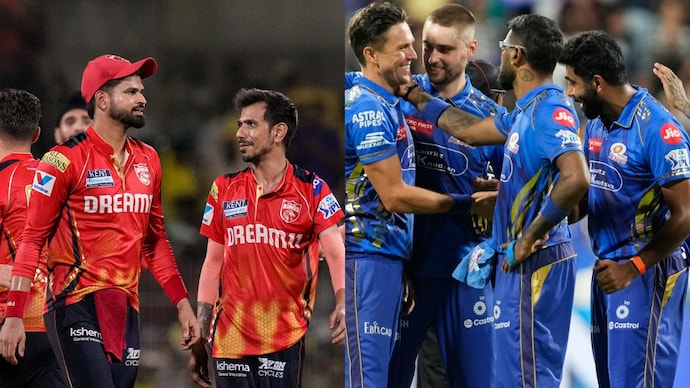
Mumbai Indians vs. Punjab Kings: The roar of the crowd echoes through the stadium as Mumbai Indians and Punjab Kings step onto the field. This matchup always sparks excitement in the IPL. Fans love the mix of star power and surprise twists that define these games.
You can feel the tension build right from the toss. Mumbai brings their championship experience, while Punjab fights with fresh energy. Over the years, this clash has given us some of the league’s best moments.
In the 2026 season, both teams chase playoff spots. Mumbai sits third with solid wins, but Punjab lurks close in fifth. A victory here could shift the points table and boost morale for the run home.
Historical Head-to-Head Record Analysis: A Statistical Deep Dive
Overall Wins and Losses: Measuring Historical Supremacy
Mumbai Indians hold a slight edge in the MI vs PBKS battles. They have won 17 out of 32 matches played so far. Punjab Kings claim 14 wins, with one tie that went to a super over.
That gives MI a win percentage of about 53% against PBKS. Punjab sits at 44%. These numbers show a tight rivalry, not a one-sided affair.
Key stats highlight Mumbai’s consistency. They often chase successfully in this fixture, winning 10 of 16 second-innings efforts.
Performance in Recent Seasons: Shifting Momentum
In the last five IPL seasons, Punjab has started to close the gap. From 2022 to 2026, PBKS won four out of seven encounters. Mumbai took the other three, but the wins came in close fashion.
Take the 2024 game at Mullanpur. Punjab chased down 193 with balls to spare, thanks to a late surge. This shift points to PBKS growing bolder on home soil.
Mumbai bounced back in 2025, though. They defended a low total of 142, with their bowlers striking early. The momentum swings keep fans guessing each time.
Notable High-Scoring Thrillers and Low-Scoring Fights
The highest team total in MI vs PBKS history stands at 212, set by Mumbai in 2023. Punjab fell short by 21 runs that night. It was a batting feast on a flat Wankhede pitch.
On the flip side, the lowest score came in 2019. Punjab managed just 98, as Mumbai’s pace attack ran through them. That match showed how spin can grip on turning tracks.
One game that sticks out is the 2021 thriller in Delhi. Mumbai posted 129, and Punjab needed 10 off the last over. A brilliant catch sealed it for MI, defining their clutch play.
Key Player Battles to Watch: Individual Showdowns That Define the Match
Opening Concerns and Powerplay Dominance
Rohit Sharma faces off against Punjab’s new-ball pair of Arshdeep Singh and Kagiso Rabada. Rohit loves the big stage, but Arshdeep has dismissed him twice in recent MI vs PBKS games. Watch for quick boundaries or an early wicket.
On the other side, Punjab’s Prabhsimran Singh opens against Jasprit Bumrah. Prabhsimran strikes at 150 in powerplays, yet Bumrah’s swing has troubled him. This duel could set the tone for the innings.
Both teams aim for 50-plus in the first six overs. Mumbai’s openers average 42 against PBKS, higher than Punjab’s 35. Early breakthroughs often lead to middle-order collapses.
The Middle-Overs Squeeze: Spin vs. Seam Strategy
Mumbai’s Piyush Chawla tests Punjab’s middle order, like Sam Curran. Chawla has taken 8 wickets in these matchups at an economy of 7.2. Curran’s aggressive style meets Chawla’s guile head-on.
Punjab relies on Harpreet Brar to contain Mumbai’s Tim David. Brar slows the game with his left-arm spin, conceding just 6.8 runs per over against MI batsmen. Seamers like Sam Curran add pressure from the other end.
In overs 7-15, MI concedes 8.1 runs per over to PBKS spinners. Punjab leaks 8.5 to Mumbai’s seamers. These battles decide if the scoring rate builds or stalls.
Death Overs Execution: Finishing Strong Under Pressure
Jasprit Bumrah’s yorkers shine against Punjab’s finishers, Ishan Kishan and Shashank Singh. Bumrah has defended 25 runs in the last over twice in this rivalry. Kishan strikes at 180 but falls to swing often.
Punjab’s Harshal Patel faces Mumbai’s Hardik Pandya. Harshal mixes slower balls well, with an economy of 9.2 in death overs versus MI. Pandya’s power-hitting has cleared boundaries against him thrice.
Teams score at 11 runs per over in overs 17-20 for MI vs PBKS. Mumbai concedes fewer, at 10.5, showing their edge in tight finishes. Pressure here turns heroes into legends.
Strategic Breakdown: Decoding Team Tactics and Formations
Mumbai Indians: Analyzing Core Strengths and Potential Weaknesses vs. PBKS
Mumbai prefers batting first in day games against Punjab. Their order flows with Rohit at top, followed by Suryakumar Yadav at three. This setup exploits Punjab’s middle-over wobbles.
Bowling rotates around Bumrah and Akash Madhwal for pace. Against PBKS, they save spinners for the back end. A weakness shows in spin-heavy attacks; Punjab’s left-handers handle it well.
Tactics adjust with Hardik’s all-round input. He often bowls the 19th over, targeting PBKS’s tail. This keeps MI in control during chases.
Punjab Kings: Identifying Game Plans Against the Five-Time Champions
Punjab chases aggressively versus Mumbai, winning 60% of those attempts. They set Shikhar Dhawan to anchor, with aggressive overseas like Liam Livingstone. This plan pressures MI’s bowlers early.
Reliance falls on Rabada for breakthroughs. Against MI’s top order, he averages 22. Game plans include short balls to Suryakumar, who hooks poorly.
Overseas players like Curran provide balance. PBKS uses them to counter Mumbai’s pace depth. Chasing suits their style on balanced pitches.
Pitch Conditions Influence: Tailoring Strategy to Venue Dynamics
At Wankhede, the pitch favors batsmen, so Mumbai packs extra hitters. True bounce helps their seamers early. Punjab adapts by playing more spinners to slow the game.
In Mullanpur, the surface turns later, suiting PBKS’s Brar. They set totals around 170 to defend. Mumbai counters with sweep shots from their batsmen.
Venue stats show MI winning 70% at home versus PBKS. Away, Punjab takes 55%. Teams tweak lineups, like adding wrist-spinners for grip.
Actionable Insights for Fans and Fantasy Leagues
Fantasy XI Selection Tips Based on Head-to-Head History
Pick Jasprit Bumrah as captain; he grabs 2+ wickets in 60% of MI vs PBKS games. His points from economy and strike rate add up fast.
Suryakumar Yadav shines as a must-have batsman. He averages 48 against Punjab, with quick fifties. Pair him with Shashank Singh for differential picks.
For all-rounders, go with Hardik Pandya. His contributions in both departments average 50 points here. Avoid openers if the pitch looks bowler-friendly.
- Top Bowler: Bumrah (high wicket tally)
- Safe Batter: Rohit Sharma (consistent starts)
- Value Pick: Arshdeep Singh (budget pacer with overs)
Predicting Match Outcomes: Factors That Swing the Result
Surviving the powerplay without wickets decides many games. Teams losing two early wickets win just 30% of the time in this rivalry.
A key run-out or catch in the middle overs shifts momentum. Remember the 2025 stumping that turned the game for Mumbai.
The dew factor in night matches favors chasers. Punjab has won three dew-affected games by batting second.
Conclusion: What the Next Chapter in the MI-PBKS Saga Holds
Key Takeaways from the Historical Rivalry Data
Mumbai leads the head-to-head, but Punjab pushes hard lately. Stats show close contests, with wins often by under 20 runs. This balance keeps the rivalry alive.
High-scoring games thrill, yet low totals prove defense wins. Player battles like Bumrah vs. finishers define outcomes.
The matchup tests strategies on different pitches. Fans get value from these insights for watches or leagues.
Looking Ahead: Future Implications for Both Franchises
This game marks a step toward playoffs for MI and PBKS. A win boosts confidence for tougher ties ahead.
Mumbai aims to reclaim top spots with their experience. Punjab builds on recent gains to end their drought.
Watch how young talents emerge in this pressure cooker. The saga continues, promising more drama in IPL 2026. Grab your tickets and join the fun!