Quinoa is celebrated worldwide as a nutrient-dense complete plant protein, packed with all nine essential amino acids, fiber, iron, and magnesium. Yet many home cooks find their cooked quinoa turns out either bitter, mushy, or waterlogged. The key to perfect quinoa lies in saponin rinsing, precision liquid measuring, and post-simmer steam resting.
3 Rules for Restaurant-Quality Fluffy Quinoa
- Rinse Away the Saponin: Never skip rinsing. Rubbing the tiny seeds under running water removes the natural defensive saponin layer that causes a soapy, bitter taste.
- The 1:1.75 Liquid Ratio: Standard package directions recommend 1 cup quinoa to 2 cups liquid, which frequently leaves quinoa overcooked and damp. Using 1.75 cups liquid produces distinctly nutty, separate grains with a tender pop.
- The 10-Minute Lid-On Steam: Turning off the flame and keeping the lid tight for 10 minutes allows the grains to gently finish reabsorbing humidity without scorching the bottom of the pan.
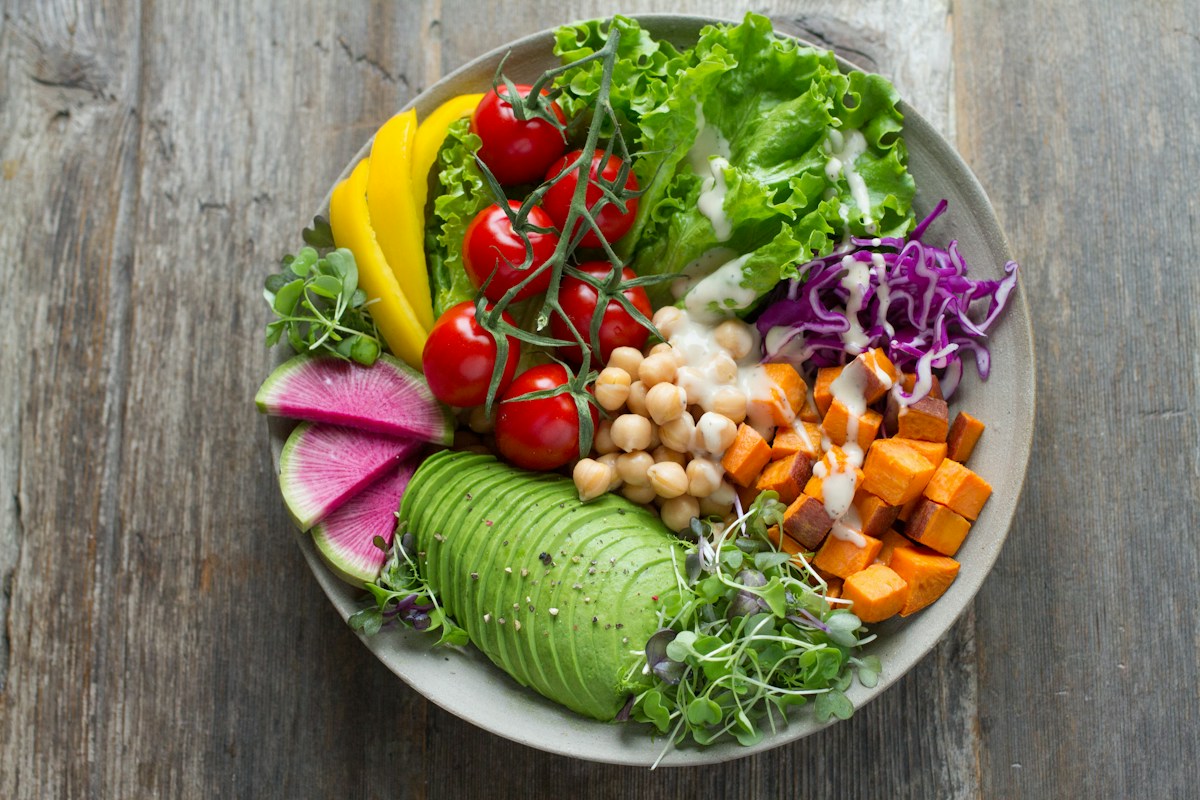
How to Cook Quinoa: The Secret to Fluffy, Never-Bitter Quinoa
Ingredients
Method
- Place quinoa into a fine-mesh strainer and rinse vigorously under cold running water for 45 to 60 seconds, rubbing the seeds between your fingers. Rinsing strips away saponin, a natural bitter resin coating that protects the plant from insects.
- Optional flavor booster: Heat 1 tsp olive oil in a saucepan over medium heat, add the drained quinoa, and toast stirring constantly for 2 minutes until fragrant and lightly nutty.
- Pour in 1.75 cups of water (or vegetable broth) and fine sea salt. Bring the mixture to a brisk rolling boil over medium-high heat.
- Once boiling, drop heat to low, cover the saucepan tightly with its lid, and simmer gently for 15 minutes undisturbed.
- Check at 15 minutes: liquid should be completely absorbed and the delicate outer germ ring (little white spiral spiral) should have uncoiled from the seed.
- Remove the saucepan from the stove, leave the lid on, and let it steam rest for 10 minutes. This crucial rest absorbs surface moisture.
- Uncover, fluff with a fork, drizzle with a squeeze of fresh lemon juice, and serve warm or chilled in salads.
Frequently Asked Questions about how to cook quinoa
Why does cooked quinoa sometimes taste bitter or soapy?
Quinoa seeds grow with a natural chemical coating called saponin, which repels birds and insects. Even if pre-washed, quinoa often retains residual saponin. Thoroughly rinsing your quinoa in a fine-mesh strainer under cold water for 1 minute washes away all bitterness.
What is the best water to quinoa ratio?
The ideal ratio for light, fluffy stovetop quinoa is 1 cup of quinoa to 1.75 cups of liquid (water or broth). While many packages recommend a 1:2 ratio, 2 cups often produces soggy, waterlogged grains.
What are the tiny white spiral rings that separate during cooking?
Those little spirals are the germ of the seed! When quinoa finishes cooking, the germ uncoils and detaches slightly from the kernel. This is the visual proof that your quinoa is fully cooked and digestible.
Can cooked quinoa be frozen for weekly meal prep?
Yes! Cooked quinoa freezes exceptionally well. Spread cooled quinoa on a baking sheet to cool completely, then portion into airtight freezer bags. Freeze for up to 3 months; reheat in the microwave or thaw overnight in the fridge.